Grid Society FPGA DAQ
An 8-channel, 250 kS/s FPGA data acquisition chain, from the FPGA to S3/MinIO storage, with one unit running in the field.
- Status
- Live
- Period
- Summer 2026
- Role
- Embedded Systems & FPGA Intern, Grid Society
- Stack
- ZedBoard (Zynq-7000 XC7Z020) · FPGA · DMA · Linux (ARM) · Go · TCP · FLAC · S3/MinIO · GitHub Actions · Ansible
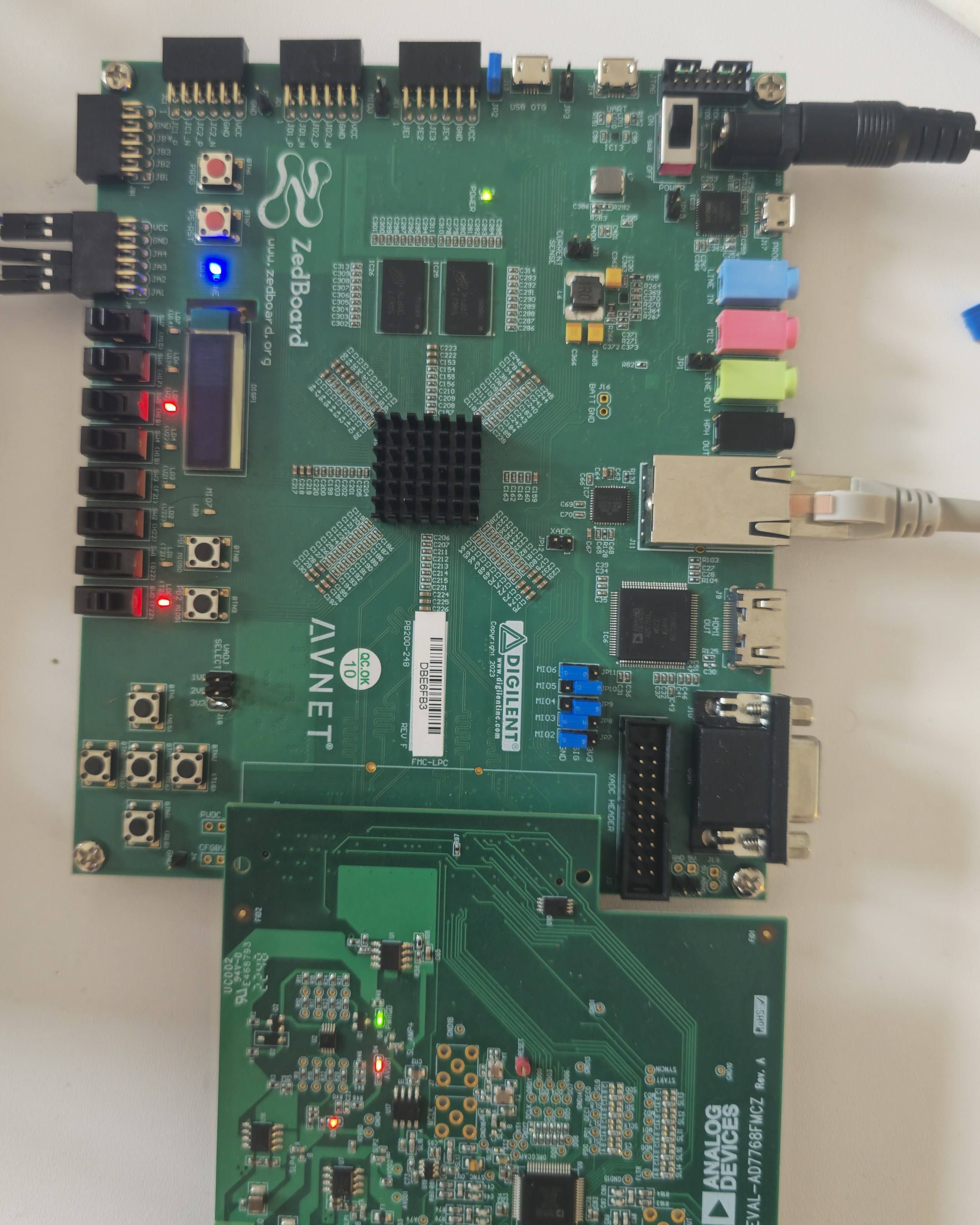
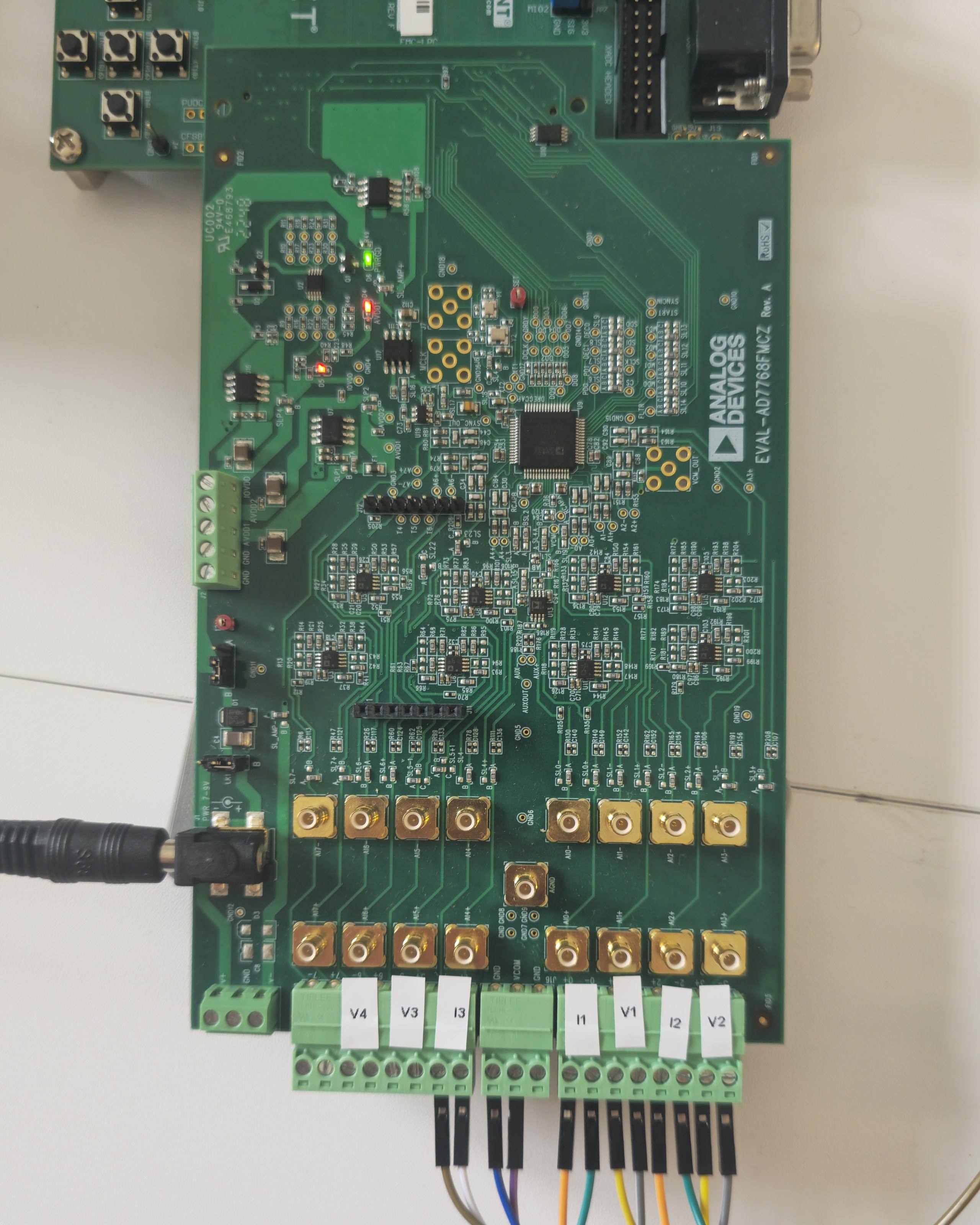
I built this data acquisition chain from scratch at Grid Society in Bergamo, Italy, in summer 2026. One unit is running in the field.
In numbers
- 8 channels
- 250 kS/s sample rate
- ~2:1 lossless compression (FLAC)
- 1 unit live
Signal chain
- FPGA
- DMA
- Linux (ARM)
- Go service
- TCP
- Bridge PC
- FLAC (~2:1 lossless)
- S3/MinIO
Hardware
ZedBoard, Zynq-7000 XC7Z020.
Deployment
Deployed with GitHub Actions and Ansible.
The signal chain, from sensor to storage
Sensor
Eight channels come in.
The unit records eight analog inputs at once. Everything after this point exists to get those signals into storage intact.
ADC
250,000 samples a second, per channel.
The ADC turns each analog voltage into numbers, 250,000 times a second on every channel. At that rate the data never stops arriving, so every stage after it has to keep up.
FPGA
The FPGA catches every sample.
The ZedBoard’s Zynq-7000 (XC7Z020) puts programmable logic and ARM cores on one chip. The logic side reads the ADC with fixed timing and packs the samples, timing a CPU can’t promise.
DMA
DMA moves the data, not the CPU.
Direct memory access copies blocks of samples from the FPGA into the memory Linux uses, without the processor touching each word. The CPU stays free for everything else.
ARM · Linux
Linux takes over.
The Zynq’s ARM cores run Linux. From here the samples are ordinary data in memory, and ordinary software can work with them.
Go service
A Go service streams it out.
A service I wrote in Go reads the sample blocks and sends them on as one continuous stream.
TCP
Over TCP to the bridge.
The stream travels over a TCP connection, which delivers bytes in order and resends anything lost on the way.
Bridge PC
The bridge PC receives it.
A PC on the other end collects the stream. The board does the acquisition; the bridge does the heavier work of compressing and uploading.
FLAC
Compressed about 2:1, losslessly.
FLAC was made for audio, but it suits any sampled signal. It roughly halves the size, and decoding gives back every sample exactly.
S3 / MinIO
Stored, and running in the field.
The compressed files go to S3-compatible MinIO storage. GitHub Actions and Ansible deploy the software, and one unit runs this whole chain in the field today.